
Socks and sandals?
A trip into the Sahara isn’t a fashion show – it’s about being comfortable, protected and ready for any weather the desert throws at you. Here we look at what to wear and what to take on your Saharan journey of a lifetime.
What to wear in the desert
The desert is hot, right? Yes, it is, but it’s also cold, especially at night, when temperatures can plummet as low as 4C (40F).
Bear this in mind when choosing what to wear. You need clothing that will enable you to stay cool in the desert sun and warm on those cold Sahara nights, as well as allowing air to circulate, protecting you from sand and avoiding blisters.
What to wear on your feet
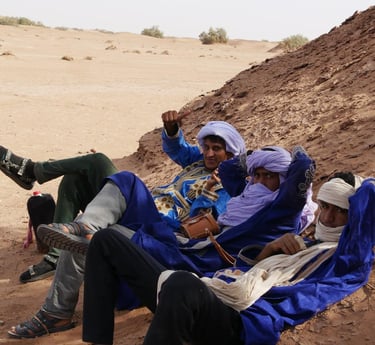
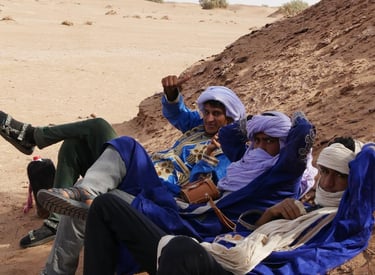
Unless you’re German, you probably consider socks and sandals a fashion crime, but for our nomad guides it’s de rigeur.
Sandals are the ideal option for allowing air to circulate around your feet, while socks protect you from blisters and chafing straps, as well as keeping sand from between your toes.
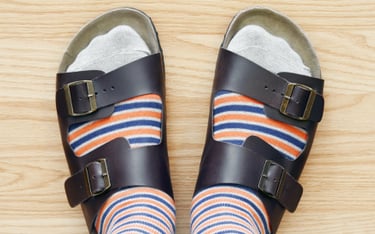
Merino wool socks are great due to their moisture-wicking, temperature-regulating and odour resistant properties. If you can’t bring yourself to wear socks and sandals, lightweight, water resistant trainers (sneakers) or low walking shoes are a good option.
What to wear on your head
Some kind of headgear is a must to protect you from sun, wind and sand and to keep you warm in the evening.
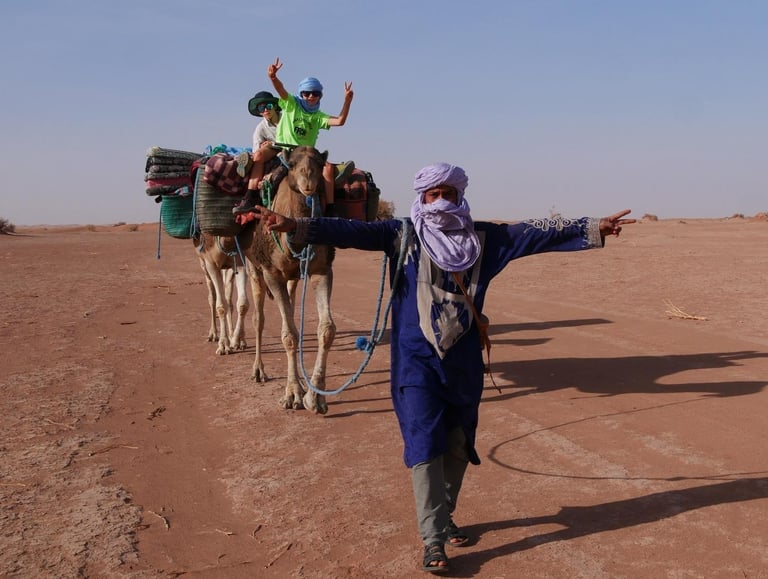
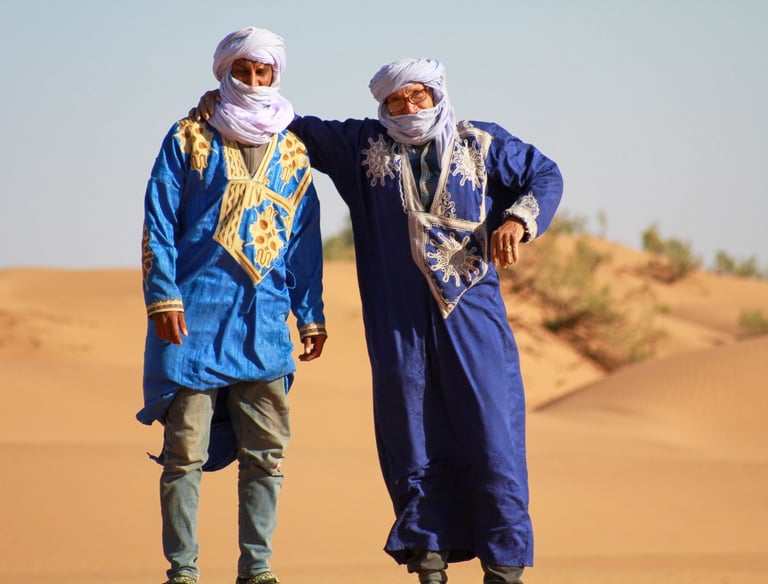
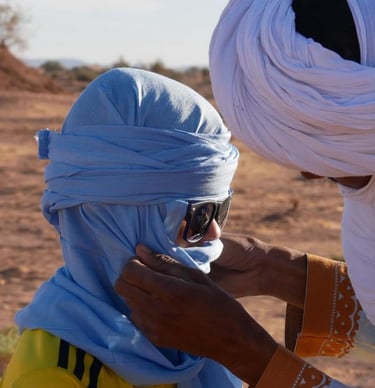
The best option is what the locals wear – a chèche (pronounced ‘shey-shey’), a long, lightweight cotton scarf which you wrap around your head like a turban. Widely available in souks (markets), your guides will help you put it on.
A wide-brimmed hat is a good alternative while a baseball cap, although better than nothing, doesn’t offer the wraparound protection you really need in the desert.
Sunglasses are another essential. After a few hours trekking, the relentless glare of the sun bouncing off the sand, combined with the effects of wind and sand can leave your eyes sore, red and tired.
Choose shades which offer 100% UV protection and polarised lenses. Wraparound or close-fitting glasses offer most protection from sand, while darker tinted (category 3 or 4) lenses and lightweight, non-metal frames are best.
What to wear on your body
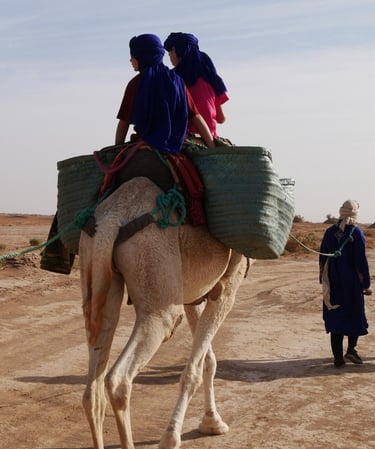
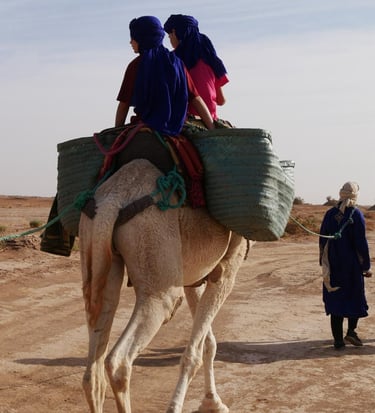
You might be tempted to think ‘desert = hot = shorts and T-shirt weather’, but shorts in particular are a bad idea due to the risk of chafing (when riding the camels) and of getting sand everywhere. They are also way too cold at night.
Your best bet is to team loose, lightweight, breathable trousers with a long-sleeved shirt. Cotton or linen are ideal as they are breathable, light and naturally cooling. Merino wool is also great at wicking away sweat and reducing odours.
For cold desert nights, layering up is the rule. A warm, lightweight fleece or sweater is essential, along with a thin, insulated jacket. Away from the campfire, we guarantee you will feel the cold, even when buried under blankets.
Bring sufficient underwear and socks to cover you for the duration of your trek – merino wool or cotton is ideal.
What to bring to the desert
It may sound obvious, but there are no shops in the desert so you need to take with you everything you will need, aside from food and water which our guides provide. Even for a five-night trek, travelling light is the order of the day. Only take what you need to cover your basic levels of comfort and hygiene.
Bag or rucksack
Even for longer treks, everything one person needs should fit into a small backpack (20-35l) which can be carried by the camels. Any bulkier luggage can be safely left at our partner hotel in M’hamid for collection on your return.
Health and personal hygiene
The essentials here are enough toilet roll to last your trip, along with a toothbrush and toothpaste and high SPF sun cream, while you may also want to bring wet wipes, tissues and deodorant.
On our Sahara for Beginners trek you have the option of spending one night in a serviced campsite with toilets and showers, while on Sahara Plus and Sahara Pro treks you occasionally get the chance to wash in a spring – otherwise washing opportunities are limited.
Other essential items are painkillers, rehydration salts or anti-diarrhoea tablets and plasters (band aids), along with any personal medication you can’t do without for the duration of your stay.
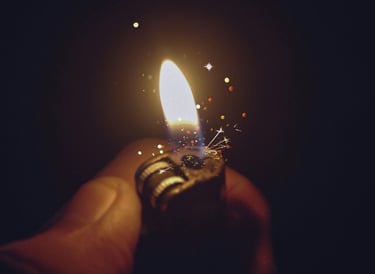
Finally, you will need a cigarette lighter. ‘But I don’t smoke!’, we hear you cry. It’s not for lighting up but for burning (and then burying) used toilet paper which would otherwise blow around the desert.
Electronics
Whether you consider it a good or bad thing, even in the desert, mobile phones work, although coverage can be patchy.
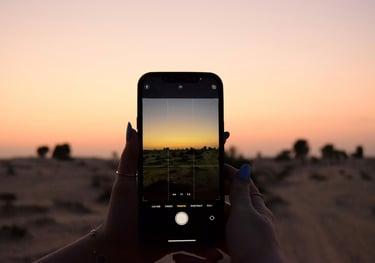
If nothing else, you will definitely want to use your phone, or alternatively a camera, to take pictures or videos of the amazing sights you will experience (don’t forget to share with us via our Instagram or Facebook channels).
There are no electrical outlets where you’re going, so bring a charging cable and power bank (don’t forget to charge up the power bank itself before your trek!)
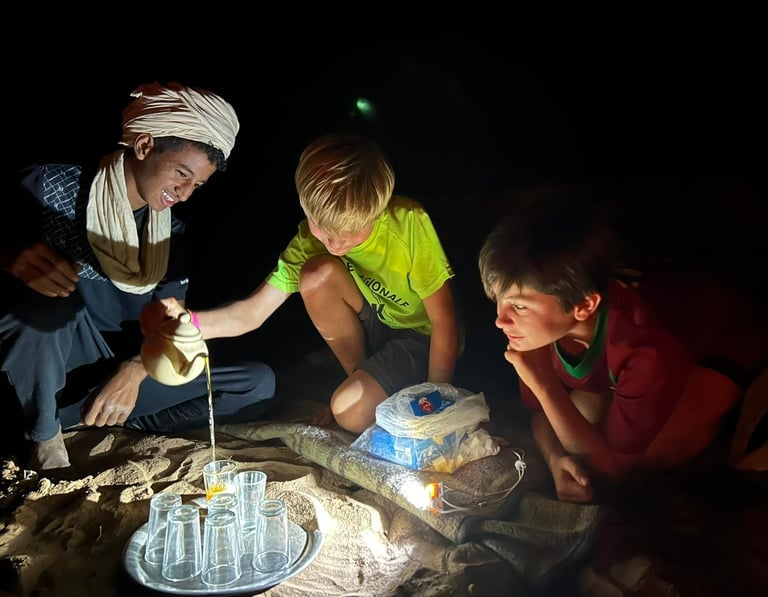
A headtorch is another very handy thing to have, particularly when you need to get up at night to go to the loo.
Other items
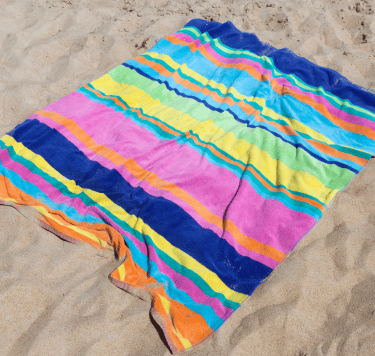
‘Don’t forget your towel’ remains perennially useful advice and a microfibre towel is by the far the best option – it dries in no time, weighs almost nothing and takes up hardly any space.
As well as the obvious, your towel can double as a flannel for a refreshing wash, a makeshift pillow, dust mask, mat for sitting on or mini blanket.
Talking of sleeping, while we provide plenty of blankets, a lightweight sleeping bag liner can also provide extra comfort, heat and cosiness, while you may also want to bring a small inflatable pillow.
Finally, what’s the one thing you need more than anything in the desert? Water, of course. While our guides bring a plentiful supply, you'll want a reusable water bottle to keep filled while trekking and at night – a capacity of around one litre should suffice.
Anything we’ve not covered? If you have any questions, please see our Camel Treks FAQ or email us.
Essential camel trek clothing
Camel trek essentials
Chèche (head covering) or wide brimmed hat
Sunglasses
Lightweight, breathable trousers and shirt
Warm, lightweight sweater
Lightweight, insulated jacket
Change of socks and underwear
Sandals, lightweight trainers or low walking shoes
Essential items to take on a trek
Toilet paper
Cigarette lighter (to burn toilet paper)
Toothpaste and toothbrush
High SPF sun cream
Painkillers, anti-diarrhoeal pills and any personal medication you need
Refillable water bottle
Phone, power bank and charging cable
Small backpack